
Ali Bongo’s adventures has been on-stream now for a little over a year, and the interest and positive feedback has been amazing – thank you to everyone who has scanned a page, or follows the blog! So far we’ve passed the 3600 views, had over 1500 viewers, from everywhere in the world – Canada, USA, UK, Ireland, all over Europe, even Australia! And, by a mile, the most viewed post has been my “Year-round Bongo adventures” one where I highlight my diesel heater installation, as well as covering the use of insulation extensively in the van.
So, I thought I would try and describe in a bit more detail my installation process – from sourcing parts, planning where to instal the main components, and some do’s and don’ts. I have to say that although I worked back in the 80s for a registered installer of the German Eberspacher (Espar in the US) brand, we mostly fitted heaters in truck sleeper cabs and luxury yachts, never a campervan! And, that was SUCH a long time ago!!
Before we begin…..please bear in mind if you decide to have a go at installing a heater for yourself, obviously I can’t take any responsibility for any missadventure you might have. Read this purely as information, advice, but certainly NOT professional instruction! If you are happy with that, please read on…..
My go-to marketplace for most things these days is Ebay. It’s not the cheapest, and occasionally you don’t get exactly what you ordered. But for the most part, you have their purchase guarantee, and if you use Paypal to pay for your item, then they too cover you against fraud. Now like everything else in the world, the diesel heaters patterned on the German branded products (which will cost you up to £1000) are made in China. Don’t let this put you off though, most things from high-end brands are also made in China these days, the biggest variable is the quality control, and to an extent this is what you are paying for when you pay that bit more. The market is swamped with these things, and the prices to be fair don’t really vary that much. Some sellers try to tempt you with technology – fancy controllers, with remote control, timers, and fancy graphics. Skeptical me opted for a more basic kit, with only a rotary dial temperature control, plus a single outlet ( some have a branch fitting and two outlets included).
A fair bit of the cost savings are made in bulk supply of cheaper parts, so the fixings and small components in the installation kit are not the best. Included was the heater, ducting and outlet, fuel pump and bracket, fuel line, filter and fittings, even a slim 10 litre tank and fitting. The controller and cabling as well as a length of power cable is in there too, as well as a bit of exhaust and air intake pipe. I didn’t use the tank, as I was planning, but ended up teeing into the vehicle fuel pipework, which means I never need to top up a seperate tank, nor worry about fuel dropping sediment or anything. In addition to the kit, I sourced a brass tee piece, 8mm with a 6mm branch, and some fuel grade hose and clips. And finally I bought a stainless steel exhaust elbow, to keep the exhaust as high off the ground as possible. Everything else was bits and pieces I had lying around or surplus from other wee jobs.
Costs?
Heater and kit – £100 (roughly, exchange rate varies)
Exhaust – £15
Brass tee and pipework – £10
Benefit? Priceless!! Toasty warm Bongo, in below-freezing temperatures. Brilliant!!

I should say that my Bongo is suited to the installation I decided on for a few reasons. Firstly, it already has a leisure battery setup. This means that I have peace of mind when using power in the van off-grid I am not dipping into and flattening my starter battery. I can’t imagine much worse than not being able to start the van if you’re miles from anywhere, and it would be worse if you knew it was because you had flattened the battery using those lights, listening to music and running your diesel heater! With that said, you CAN run a diesel heater from your starter battery. They draw about 10 amps when starting up, which drops to about 3-5 amps for the fan and pump once combustion is established. But if you’ve ever parked up and left the lights on for a few hours, you will know that this will eventually flatten your battery! So, from my 75a/hr leisure battery, I can safely take 60-65% drain and it will recharge perfectly from the engine once I get underway. So my 60% or so gives me 45 a/hrs to use, or about 9 hours continuous running of the heater before my battery is flat. More than enough, and some spare for lights etc!

As mentioned, I originally had planned to fit the supplied fuel tank. When everything arrived, however, I struggled for a position suitable. I had wanted this under the passenger seat, attached to the chassis there, but the tank proved to be too tall and would have been visible below the chassis rail. I even tried a smaller 5 litre tank thinking I might site it under the bonnet ( as is common), but typically of me, I rethought this while waiting for the new tank to arrive, and opted to tee into the engine fuel pipe! In reality, this has worked out better in the long run. I don’t now need to fill a seperate tank ( which would have meant tipping the passenger seat), don’t need to worry about the heater ever not having fuel, and as it uses so little of the stuff (claimed 0.1 – 0.35 litres per hour) that vehicle fuel isn’t compromised. And I can still run both heater and engine, neither is starved of fuel by the other. You may choose to go with the tank option, which the majority do, and this is obviously required if you have a petrol vehicle anyway. If so, think carefully when siting the tank – can I see it to check the level? Can I refill without spilling in the interior ( diesel spillages STINK!!)? Can I route the pipework from tank to pump to heater without touching hot engine or exhaust components?

Fuel pump, considerations – these “pulse” pumps work far better pushing than they do pulling, so keep the installation ideally below the fuel source and as close as possible within reason. I could have installed mine closer, right next to the tee piece in fact, but opted to put it level or just below the tee attached to the bracket that holds the engine air filter box. The supply line is therefore about 75cms. Also worth noting, the little supplied fuel filter works in part as a bubble seperator for the supply side, and is best mounted, like the pump, on an angle and facing upward. You can see mine just below the pump, and when the heater is running it is possible to see that the filter bowl is part filled with air. This is normal, and the required fuel is drawn out by the pump as it pulses away, leaving the air behind. When you instal yours, don’t expect this air bubble to clear from the filter, instead look carefully at the line from pump to heater, and you will hopefully see, like mine, that the fuel supplied is more than 95% free of bubbles. Now the heater will work if the pump and filter are not installed in the optimal position, but you might long term end up with fuel delivery issues and air pockets that don’t self-bleed. The heater forums are full of posts from folk who have issues with these heaters smoking badly, sooting up, impossible to start, etc. A good installation will eliminate the majority of potential issues before they happen.
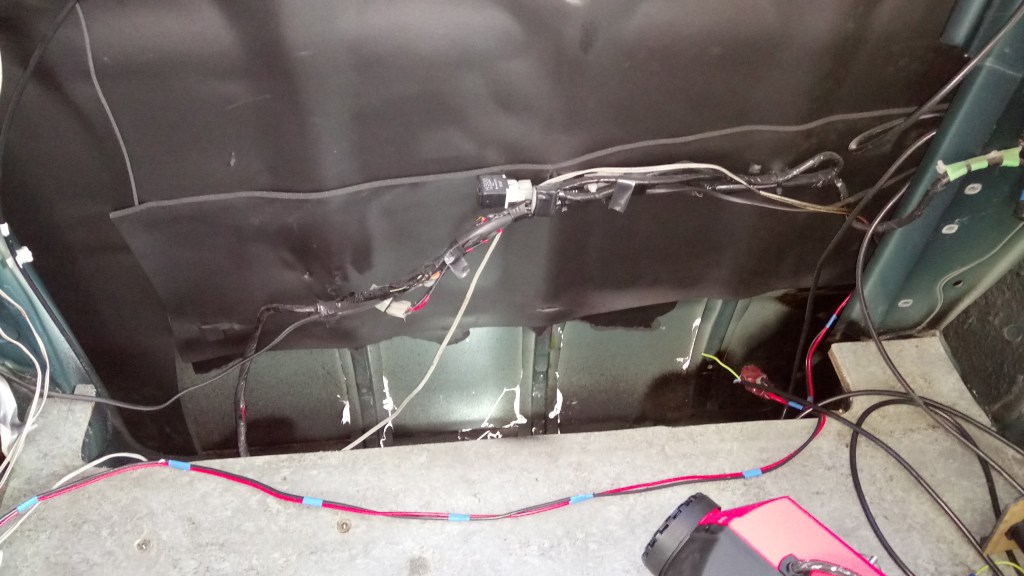
Where to put the heater? Well, as I mentioned earlier, my van is ideally adapted by previous owners, unwittingly I bet, and a perfect installation spot was available to me – the huge space below floor level and behind the offside middle side-panel, opposite the sliding door, where the original rear heater sat when new. A previous owner had already removed the heater box and pipework, presumably due to leaks, or the fact that it sat behind a conversion so wasn’t in use. Whatever the thinking, it left me an ideal spot. By far the most common installation position in a Bongo is in the engine bay, passenger side, squeezed between the chassis and the turbo. It does fit, and it does work perfectly fine in there, but I reasoned that my choice was better for me – If there’s an issue, I can just remove the side panel for access ( quick access is possible through the trinket-tray hole though!). The heater is better away from the extra heat of the engine. And, access to the engine components isn’t compromised by the heater. I don’t have to drill through the metal bodywork for heater outlet and fresh air intake. I can draw fresh air in from the original upper vents, blowing out at low level, with minimal ducting. I’m already on the offside for exhaust (away from awnings, sliding door etc). Also, I’m near the fuel source and fuel pump position. So, I reckon the optimal position for my installation.


And so to the installation. The kit comes complete with a flimsy floor plate / template to mount the heater on. It is essential that the heater is not mounted on a plywood floor, or the exhaust anywhere near anything combustible. These things are basically a small controlled pressure burner, so there is a flame roaring inside it. The exhaust therefore gets hot enough to at least char wood, but it’s best to keep anything this hot away from possible flammable materials. If you are mounting under the seat in the engine bay, then there isn’t much in there that might be an issue, but bear in mind plastic wiring insulation, rubber pipes, plastic engine components, are all likely to be damaged if they touch the bottom of the heater or contact the exhaust pipe. My situation allows me to mount the heater straight to the bodywork, however the panel is very thin here, so I used the mounting plate as well, sealing to the floor with high temperature silicone sealant, before tightening the heater securing bolts from underneath. Don’t forget, it’s vital to use the supplied base gasket too. This is a heat shield, and a seal to prevent any leaking combustion fumes to permeate back into the inside of the vehicle. It’s worth mentioning at this stage the delicate fuel connection on the bottom of the heater too – take care not to bend this, they can fracture internally, and end up leaking fuel where you don’t want it!


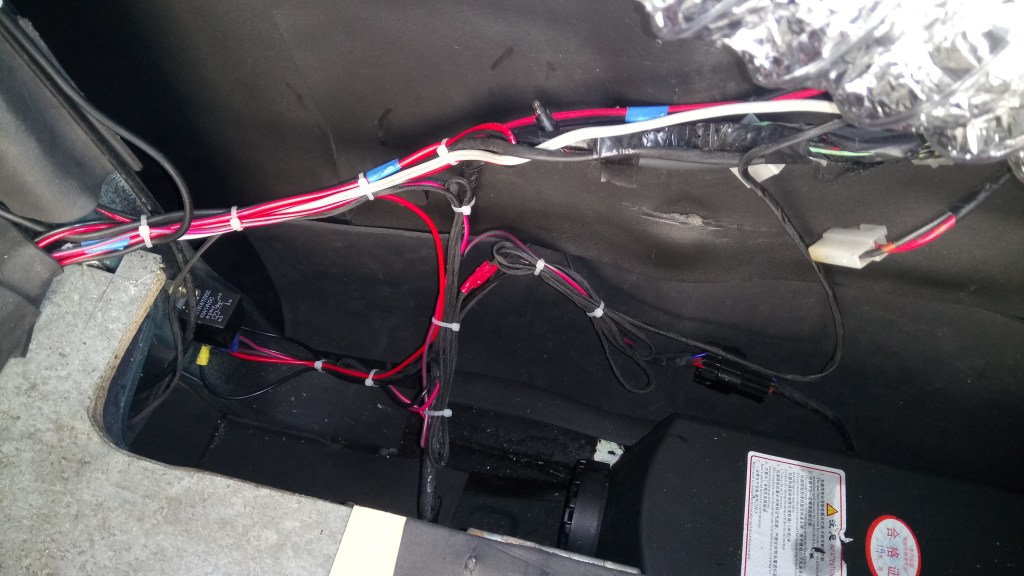

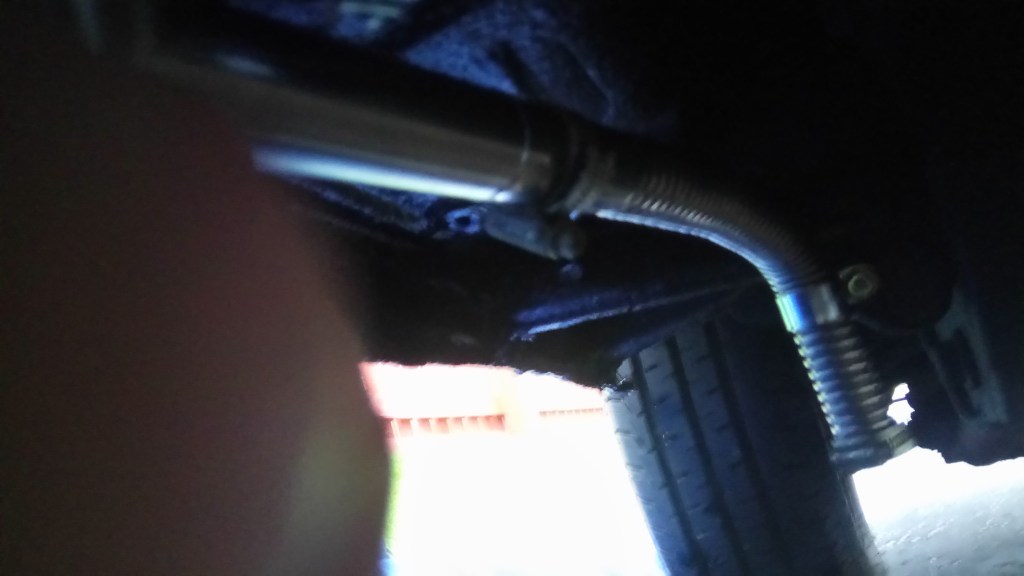


I’ll try and summarise my installation process and design considerations……
Position – where rear heater used to live – takes up no space, clean, dry, doesn’t impact space around the engine, close to fuel source, better for exhaust, good position for outlet. Best to have space around the heater body to allow air to circulate.
Fuel – tee piece in engine fuel line – requires no topping up of seperate tank, shortest fuel line, self bleeding, near pump situation. You can use seperate tank, mount either under the seats, or in the under-bonnet area. Avoid having fuel inside the van, it’s a fire hazzard and it stinks!
Power – leisure battery – doesn’t compromise engine start battery, seperate supply cable and isolating relay, use vehicle chassis as earth / negative connection reduces voltage drop. 2.5mm cable minimum, 16a fused. Cable to pump is approx. 1.5mtr, supplied with kit. Cable to controller is as supplied. Dashboard isolating switch 2nd hand for a few £s.
Exhaust / combustion air – OUTSIDE the van!! IMPORTANT!! Keep away from combustible materials, plastics, cabling etc and don’t mount on wooden flooring! Use gasket supplied to seal to the floor. Exhaust and combustion air pipes minimal bends, and make them the same length if possible, it’s a balanced flue burner. Avoid routeing the pipes where they might get clogged with mud, or get water inside. Most poor combustion issues not voltage related can be put down to air in / exhaust out issues. Keep away from the side door, and where it might get drawn in to any awning you use. Ideally exhaust should be on the offside.
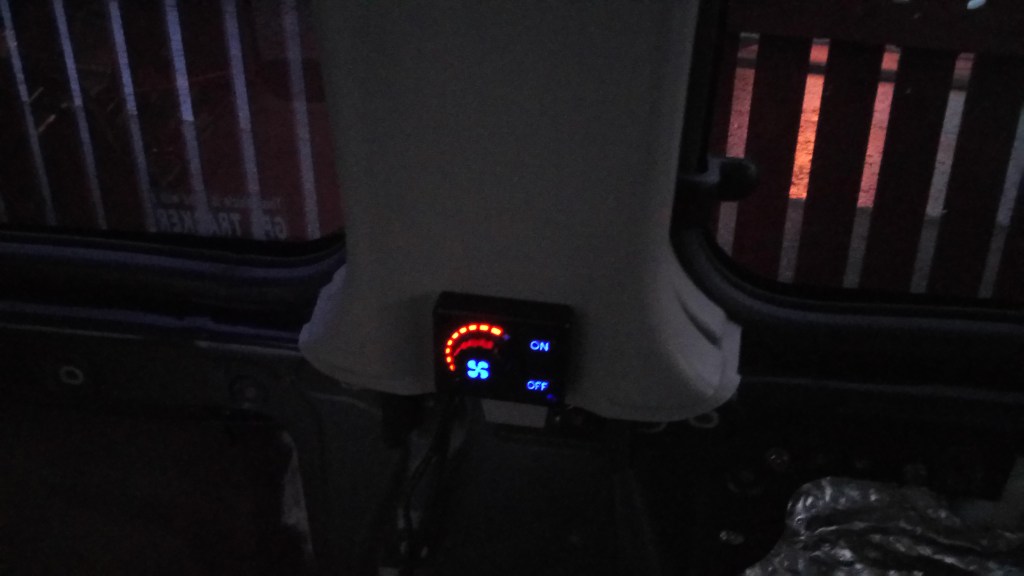
Controls – keep it simple!! Fancy graphics are nice, but at the end of the day, you want it to work, and if I turn mine up, it gets warmer, down, it lowers the fan speed and heat. What more do you need?
Hot air outlet – If you fit your heater under the seats, bear in mind you will have to drill the metalwork from the engine bay into the interior, for both fresh air intake and for hot air outlet. If you leave the inlet underneath, you run the risk of drawing in exhaust fumes when the heater is running, plus fumes off the engine bay. I leave a window open an inch for air to circulate, and I don’t have to worry about fumes coming through the heater.

So, there you have it.
Plan your installation carefully, think on all the aspects I have listed, measure twice, drill once!! Keep it as simple as you can, avoiding bends and tight spaces where possible. Keep fuel lines short, pumps nearer fuel source will work better, angled upward to allow air bubbles to escape. Low voltage is a killer in 12v installations, so keep cabling a decent size, and as short as possible, direct to battery due to the high current demand. Use the vehicle as a return / negative – it’s far bigger than any bit of wire! Allow a bit of ventilation around the heater body – don’t pile stuff on top of it. The plastic body is flimsy at best, more so when hot, and can distort and rub on the fan blades.
Pick a seller with decent feedback ( I bought mine from a Chinese seller who had stock in Poland, so it came within ten days), check it thoroughly on arrival for all the parts, and be prepared to contact the seller if anything is damaged or missing. You have protection via Ebay but it can take a while to sort it out.
I installed my heater back in December 2019, and after one full startup cycle to bleed the fuel through, it fired right up and has never faltered. It never blows smoke, and it seems very economical on fuel, having toured the Outer Hebrides last October, we used the heater extensively, and it has been the best value by far addition to the Bongo.

PS – IMPORTANT!!!
Look carefully at the above. I sourced some cheap rubber “fuel” line to join the tee piece on to the engine fuel filter, to allow the installation without cutting the original fuel line. Instead of buying some good quality line, I skimped and bought this short piece from a Chinese seller. All was well, until December 2020, when without warning, taking the van for a short spin to keep everything freed up over the winter and Covid lockdown, we ground to a halt about a half mile from home. The engine would start, but imediately splutter and cut out. After towing it home, stripping out fuel lines looking for a problem, I happened to notice this fine cracking on the short piece of new pipe I had fitted. Because of the tiny near-invisible cracks, the engine was drawing air instead of fuel from the tank, and cutting out!! Incredible! And no evidence of leaks, as this is the supply pipe from tank to engine fuel filter. Well, now replaced with some heavy grade reinforced fuel pipe, with CE markings, which cost £5 for a metre of pipe from the local auto shop!!
I can’t blame it on the heater, or even the installation kit, as the tee piece and rubber pipe I sourced seperately. Nor can I say the van broke down either, as it was entirely down to a crappy piece of pipework. I only mention it to make you aware of the pitfalls, and potential issues a shoddy installation can cause you. And I am SO glad this didn’t happen when we were in the Outer Hebrides, miles from anywhere, with a ferry to catch!!
Good luck with your heater installation, and don’t be afraid to tackle it, provided you are sensible and careful, plan it thoroughly thinking out the options. If you really don’t fancy risking it, there are several mobile installers out there who will do the job in a single day usually, and it might be worth spending the extra for peace of mind.
Happy trails!!
 Ali Bongo's adventures
Another entertaining read but I will not be fitting one. Kath xx
LikeLike
Morning Sir,
Just read the heater fitting article and would like to say its excellent, I just don’t know how I’ve not come across it before when researching fitting my own heater, it would have been a great reference as everyone and his brother seems to go for the passenger side install. I also went with fitting in the space left by the rear heater but instead of fitting to the sill,I welded up a bracket which the heater sits on and bolted this to the floor in the fixing points from the original, my idea being the unit has no contact with the body work,all seems solid and fit for purpose, my question is in regard to fuel supply, I originally fitted the t piece on the pump side of the filter but then read somewhere that cavitation can happen so panicked somewhat and took it out again, In your article you show the t fitted before the filter in a new line from i assume the metal fuel line under the bodywork to the filter, leaving the original uncut and reusable, am I correct with this assertion?,I fitted the pump to the body of the air filter housing on rubber bushes but still get a bit of clicky clacky,did you use something to hang the pump from,away from any body parts?.
Again,top marks for the article and thanks for your time
Best Wishes
Mal
LikeLike
Hi Mal! Thanks for your kind review, I’m glad you found it informative. So, to try and answer your comments….
So, I used the flat mounting plate that came in the box, made of approx. 1.5mm galvanised steel, and using this as a template, drilled clearance holes in the original floor / sill area. I used one of the original holes, I think for the exhaust outlet, and positioned the template accordingly. I then bonded the plate to the floor using silicone, and then bolted the heater in and sandwiched the plate and floor together this way. Hope that makes sense! This was to ensure all combustion gases are strictly outside.
Fuel supply – removed the rubber line where it attaches to the metal pipe pre-filter and fitted a tee and rejoined to the filter pipe with a short length of rubber. That way, as you say, nothing original is cut or altered and can quickly be reinstated if there were any issues. I had wondered if the heater would pull fuel back from the filter instead of from the tank, but starting and running the engine are unaffected. I even run the heater while moving on really cold mornings, and even at speeds up to 60mph no adverse effect on either heater or van. Win-win!!
Pump is mounted on rubber mounting using the air filter housing bolt onto the chassis rail rather than body. The pump is also wrapped in a foam jacket. It still ticks, but I find it quite comforting and no louder than the noise of the heater fan motor in any case. It is louder inside than outside, but I think acceptable.
And, after now being installed for nearly 4 years, occasional use but at least a hundred hours by now, the heater starts first time, every time, and no issues with flame-outs or smoke.
Thanks again!
LikeLike
Thank you very much chevrover,thats made my mind up as to fuel supply, always good to have the voice of experience, as for exhaust gas escape I’ve stuck a monoxide alarm onto the interior panel right in position to pick up any leaks instantly.
Again thanks for advice and the superb islands trip report.
Mal
LikeLike
Thanks very much Chevrover,the fuel supply was bugging me but your experience with it feeding from fuel filter supply put my mind at ease.
Just couldn’t bring myself to drill honking big holes in good metal on passenger side, drivers side far neater in my opinion.Also started reading your Highland and Islands trip blog, we’ve done similar in a car but your blog will be invaluable for tackling it with the bongo,hopefully all that will have changed are the prices!
Best wisges
Mal H
LikeLike